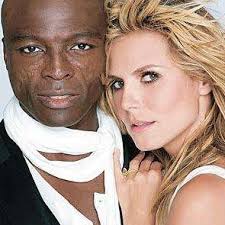
White Women Love Black Men Biography
small Alabama town of Scottsboro, the first trials began with regard to the purported rapes of two white women by nine young black men. The defendants, who were nearly lynched before being brought to court, were not provided with the services of a lawyer until the first day of trial. Despite medical testimony that the women had not been raped, the all-white jury found the men guilty of the crime and sentenced all but the youngest, a twelve-year-old boy, to death. Six years of subsequent trials saw most of these convictions repealed and all but one of the men freed or paroled. The Scottsboro case left a deep impression on the young Lee, who would use it later as the rough basis for the events in To Kill a Mockingbird.
Lee studied first at Huntingdon College in Montgomery, Alabama (1944-45), and then pursued a law degree at the University of Alabama (1945-49), spending one year abroad at Oxford University, England. She worked as a reservation clerk for Eastern Airlines in New York City until the late 1950s, when she resolved to devote herself to writing. Lee lived a frugal lifestyle, traveling between her cold-water-only apartment in New York to her family home in Alabama to care for her ailing father. In addition, she worked in Holcombe, Kansas, as a research assistant for Truman Capote's novel In Cold Blood in 1959. Ever since the first days of their childhood friendship, Capote and Lee remained close friends.







small Alabama town of Scottsboro, the first trials began with regard to the purported rapes of two white women by nine young black men. The defendants, who were nearly lynched before being brought to court, were not provided with the services of a lawyer until the first day of trial. Despite medical testimony that the women had not been raped, the all-white jury found the men guilty of the crime and sentenced all but the youngest, a twelve-year-old boy, to death. Six years of subsequent trials saw most of these convictions repealed and all but one of the men freed or paroled. The Scottsboro case left a deep impression on the young Lee, who would use it later as the rough basis for the events in To Kill a Mockingbird.
Lee studied first at Huntingdon College in Montgomery, Alabama (1944-45), and then pursued a law degree at the University of Alabama (1945-49), spending one year abroad at Oxford University, England. She worked as a reservation clerk for Eastern Airlines in New York City until the late 1950s, when she resolved to devote herself to writing. Lee lived a frugal lifestyle, traveling between her cold-water-only apartment in New York to her family home in Alabama to care for her ailing father. In addition, she worked in Holcombe, Kansas, as a research assistant for Truman Capote's novel In Cold Blood in 1959. Ever since the first days of their childhood friendship, Capote and Lee remained close friends.
White Women Love Black Men
White Women Love Black Men
White Women Love Black Men
White Women Love Black Men
White Women Love Black Men
White Women Love Black Men
White Women Love Black Men
White Women Love Black Men
Why White Women Choose Black Men - #1 of 5
Why Black men love White women.
Comments
Post a Comment